[Colette]
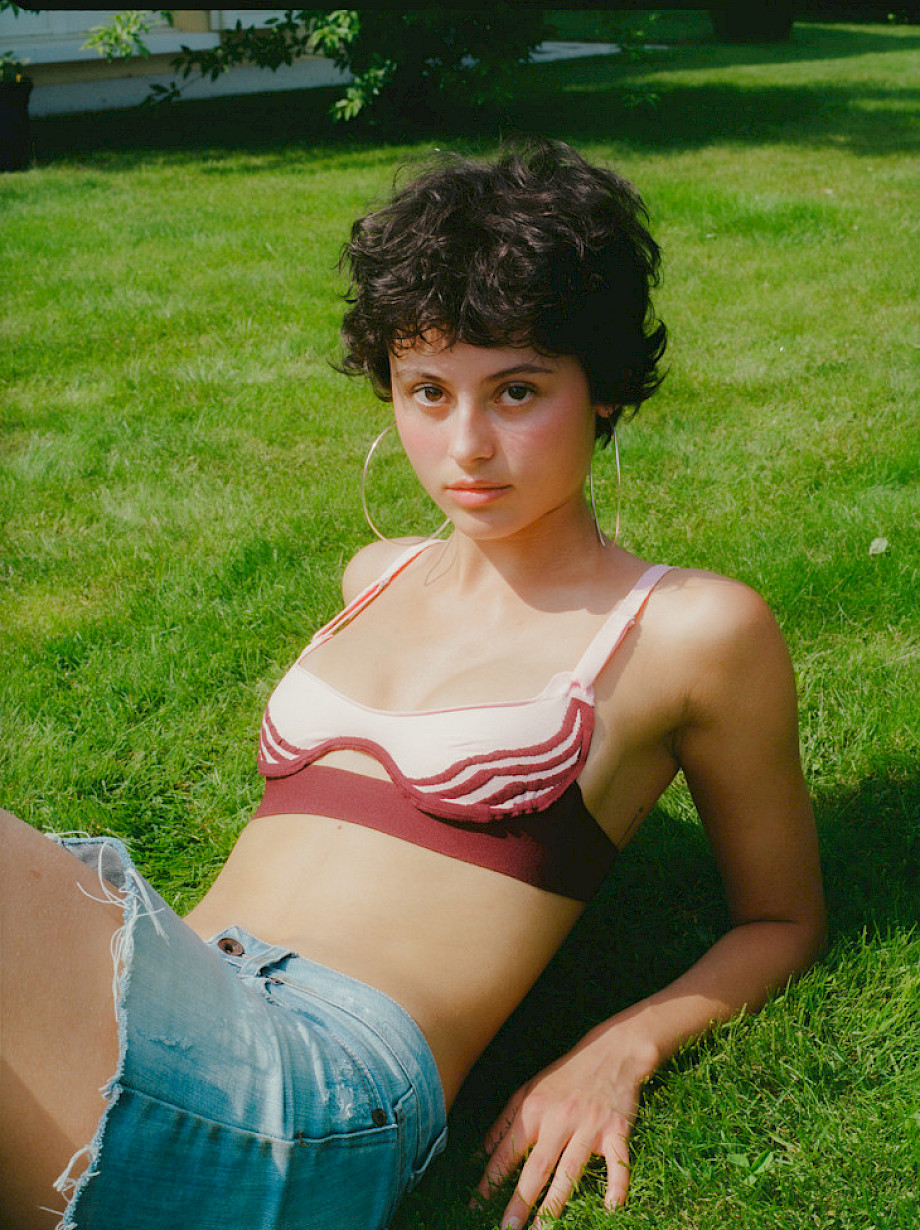
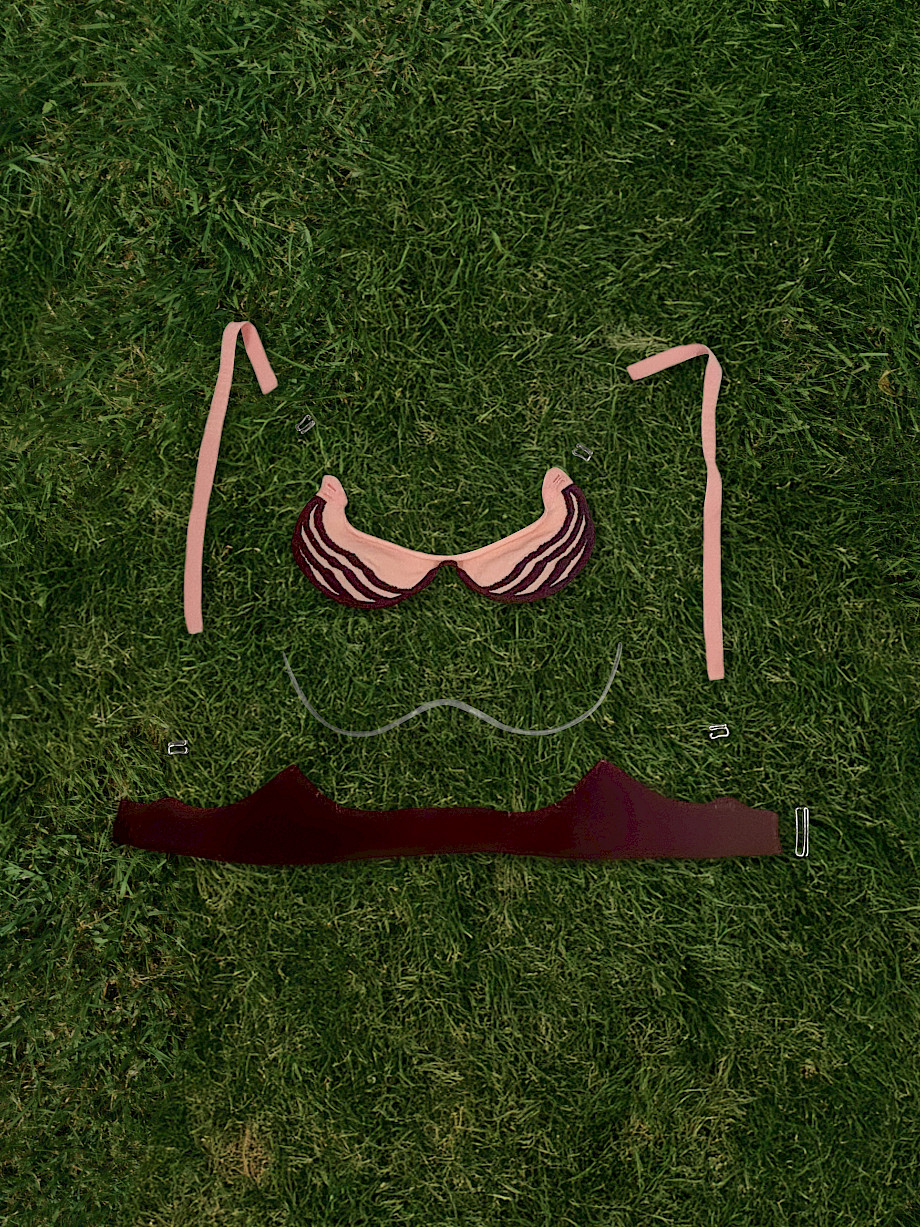
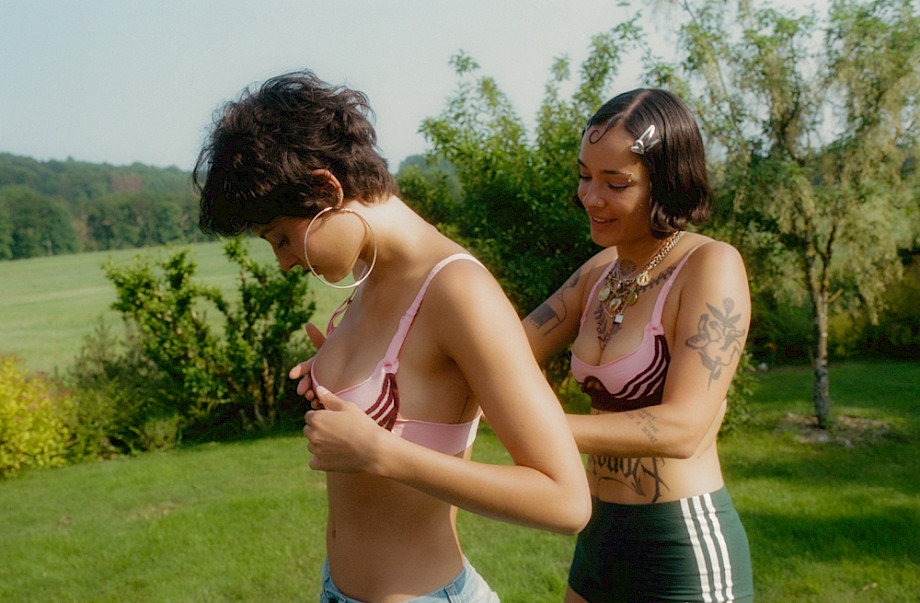
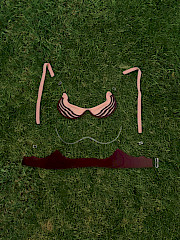
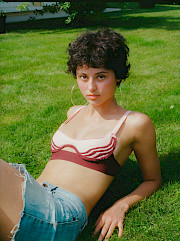
The bra is an intimate item worn close to the body, yet its lifespan remains limited. Straddling the line between industrial design and lingerie, the project explores how this item is designed, worn and replaced. Conceived as an evolving system, it consists of independent, interchangeable components made from 3D-knitted fabric. Each piece can be personalised or replaced individually, thereby extending the product’s lifespan. It is no longer the body that has to adapt to the garment, but the garment that evolves with it.
[Repetto paris]
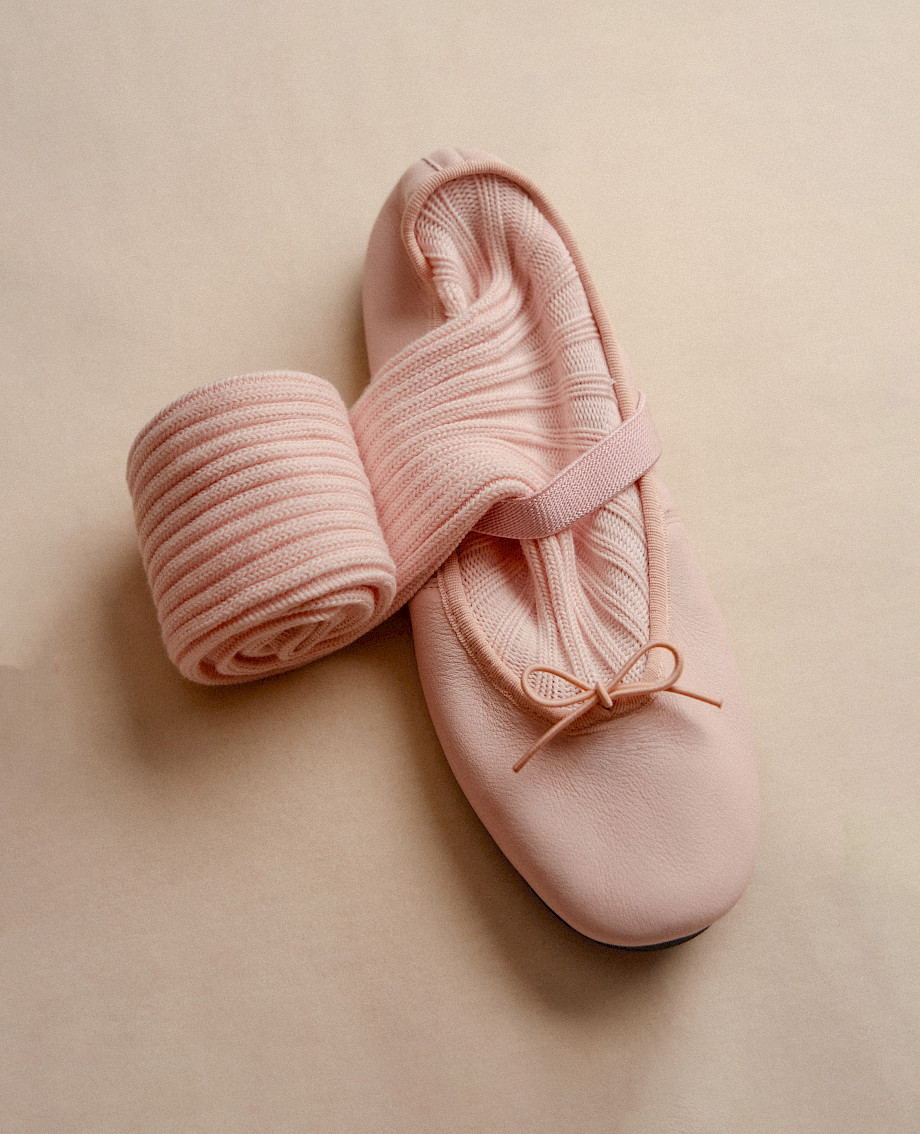
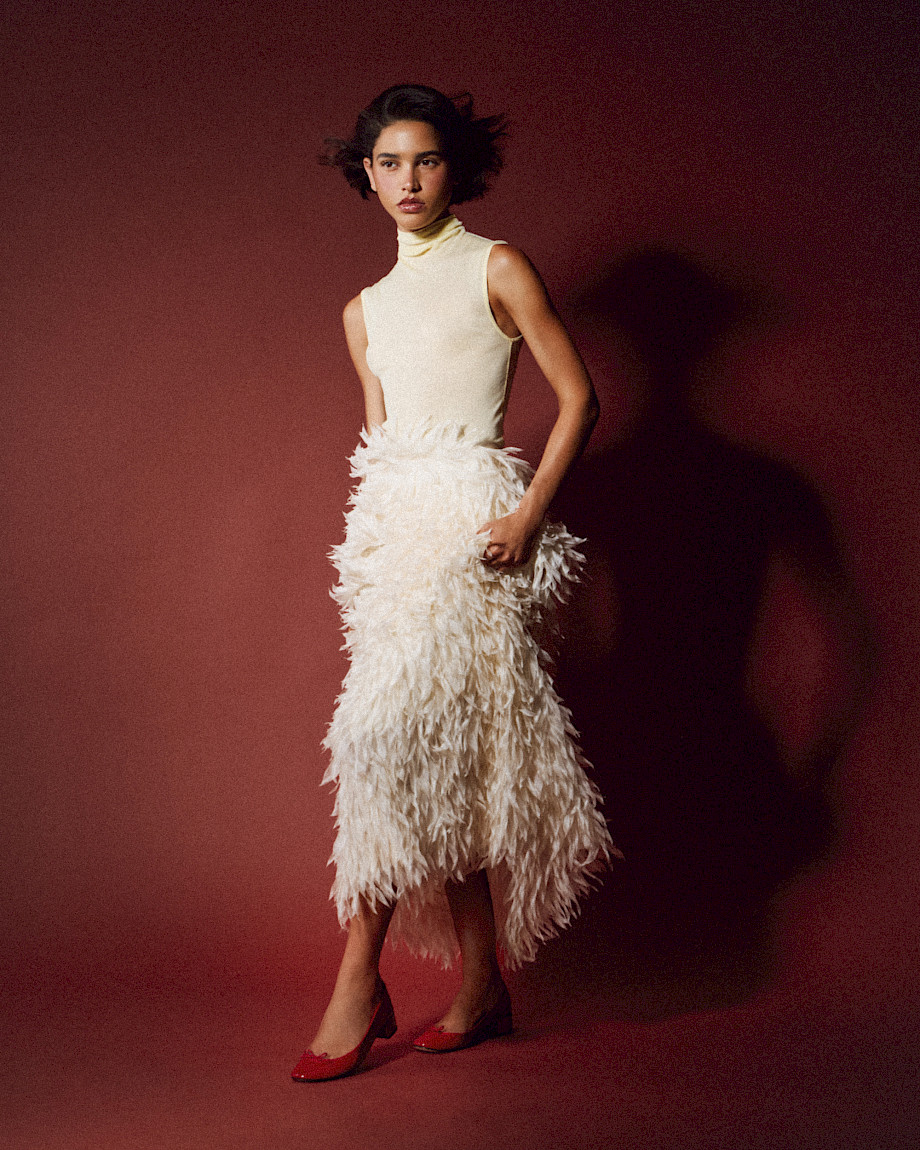
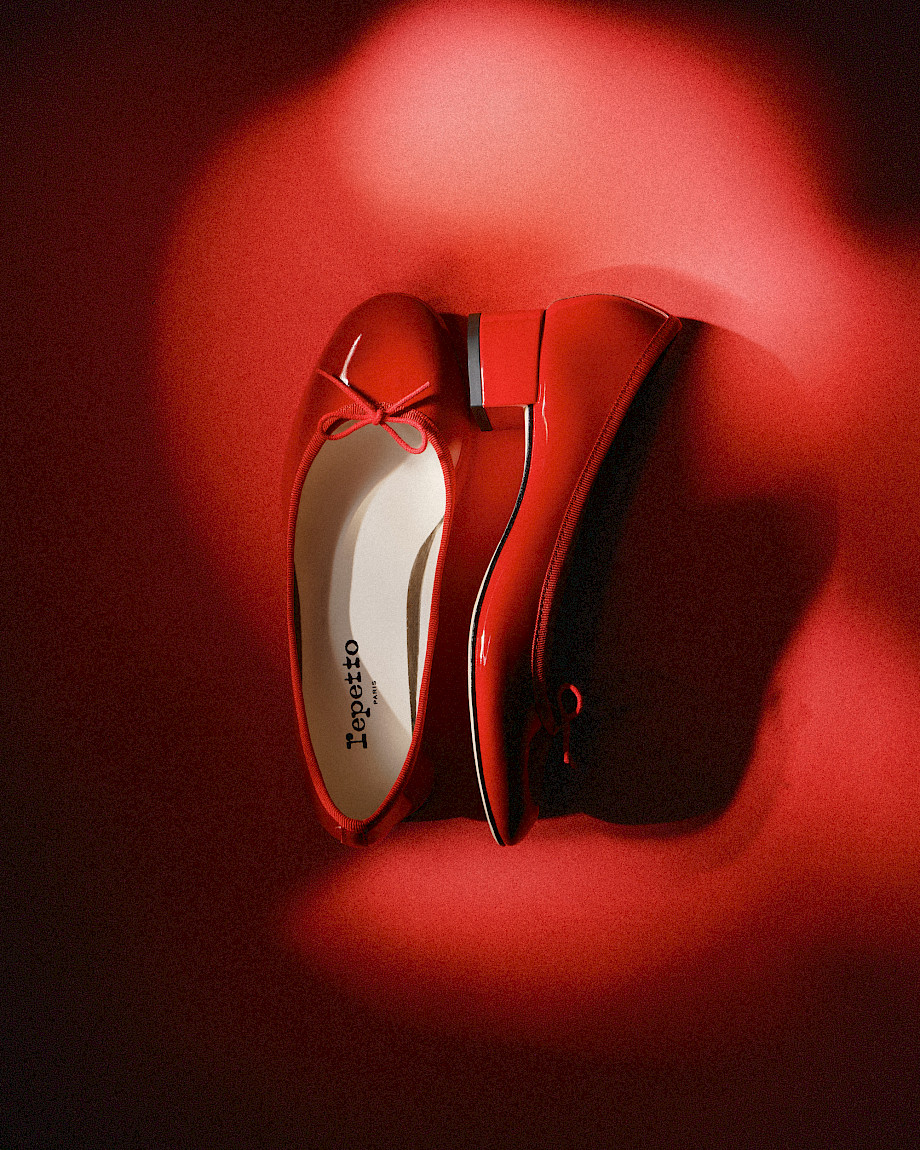
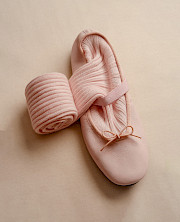
Artistic Director’s Assistant (Visuals & Graphic Design) – Internship 2026
[Inner theatre]
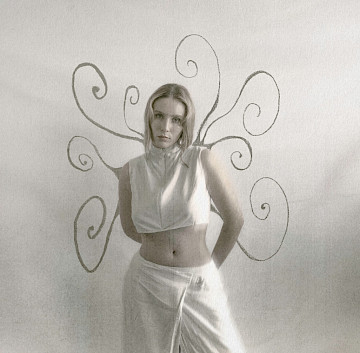
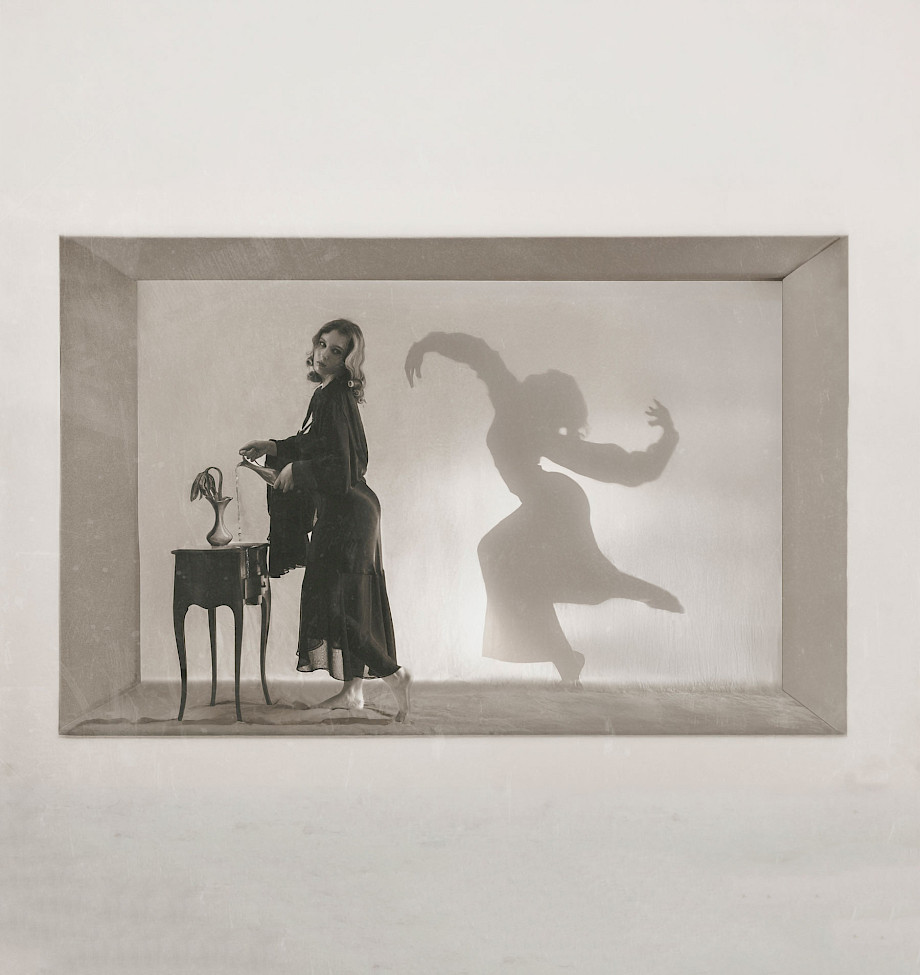
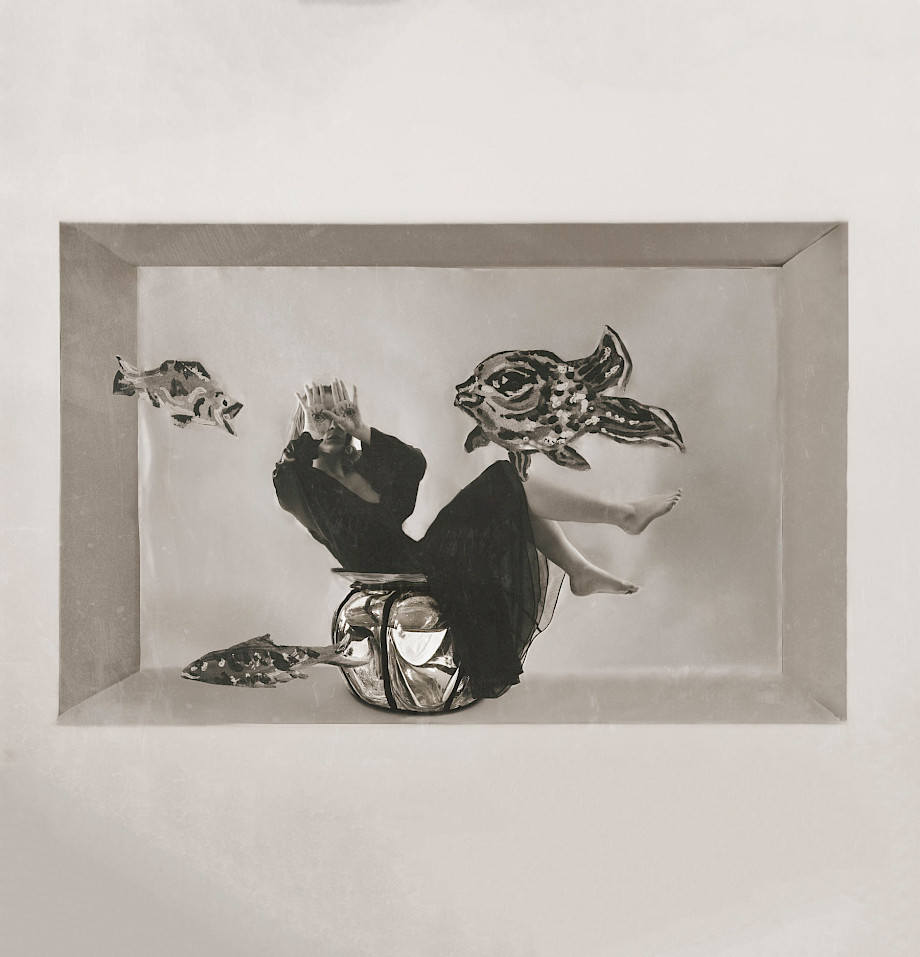
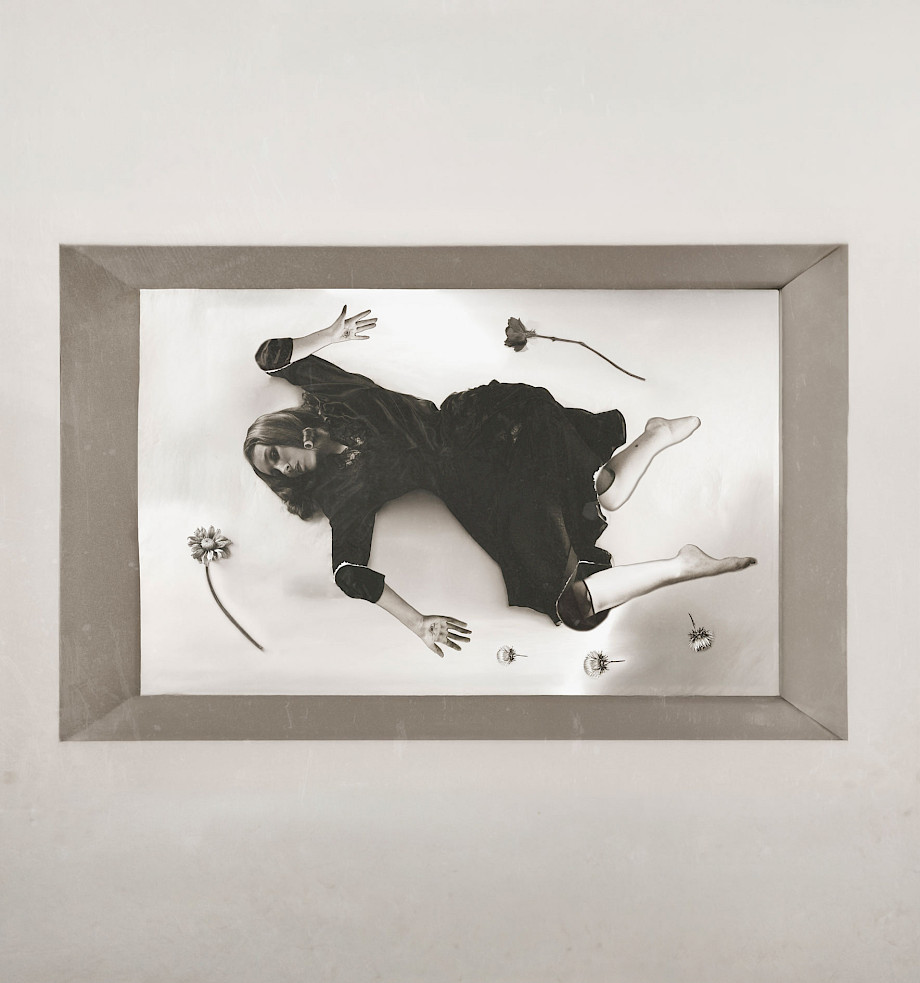
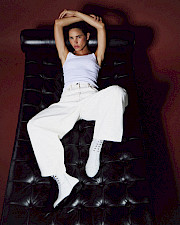
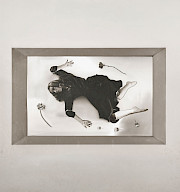
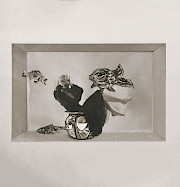
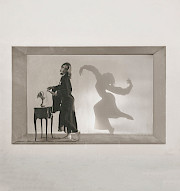
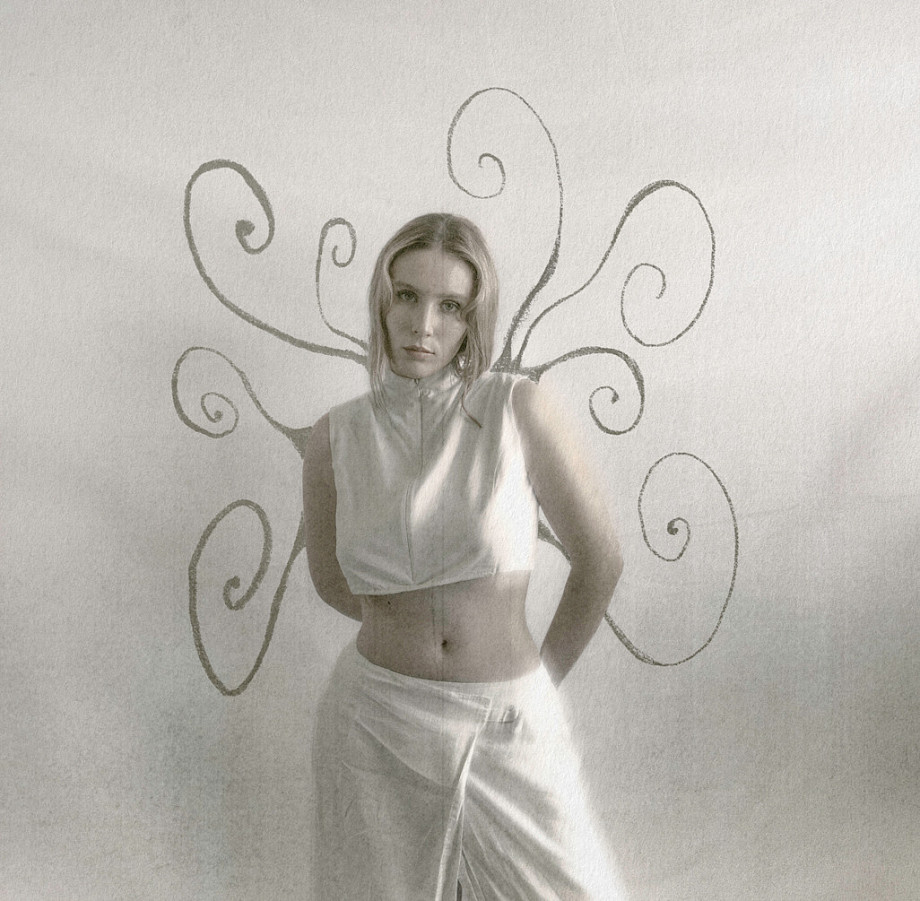
Inner Theatre is a personal project that explores how a character uses the body and space to re-enact their own reality. The work is built around posture, framing and movement, oscillating between control and drift.
[Micasa]
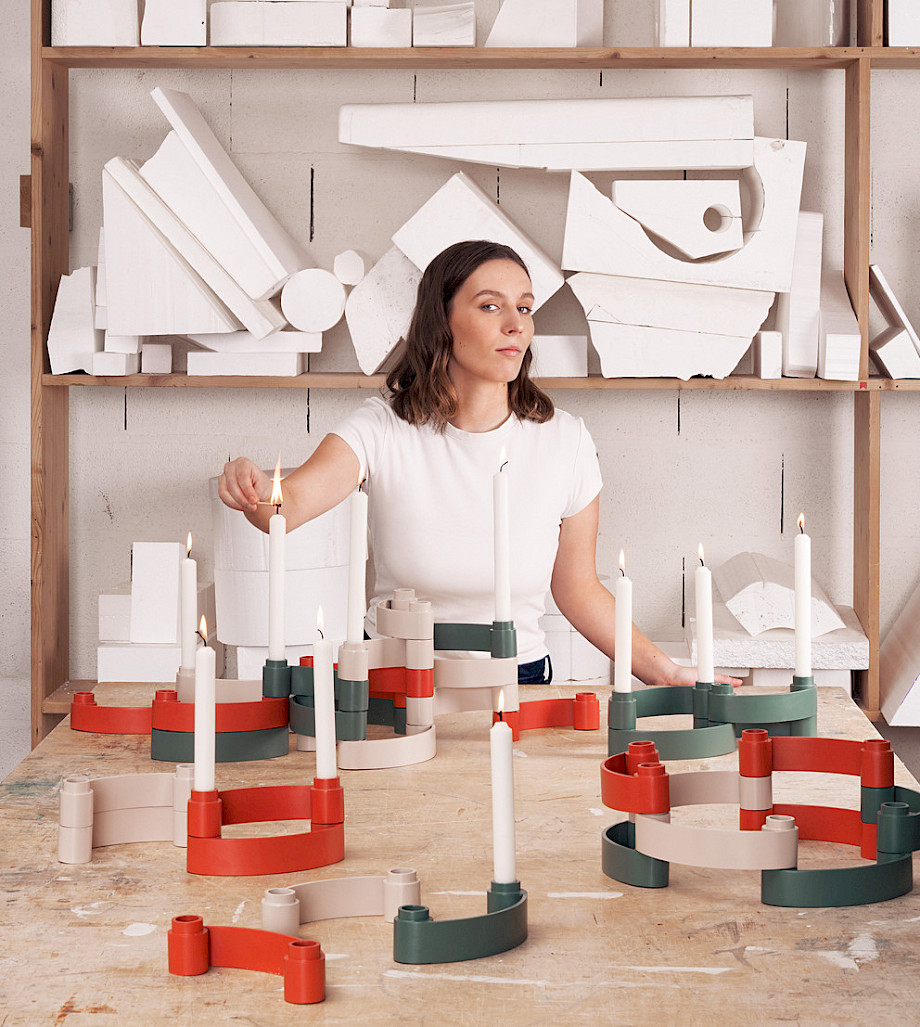
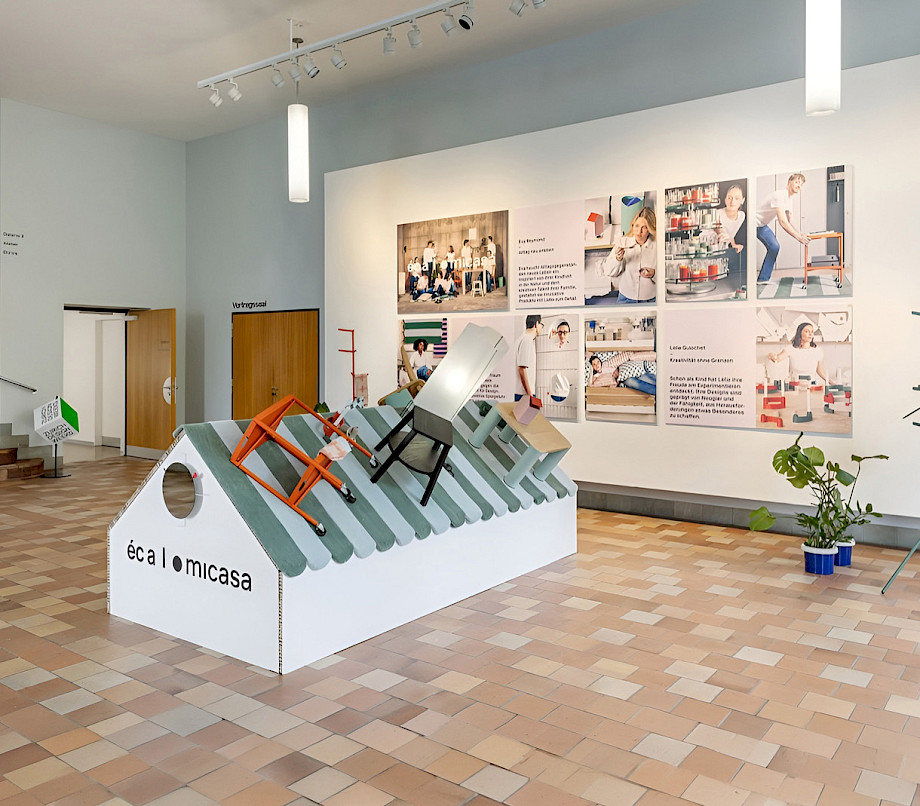
A collection of modular candleholders designed for Micasa as part of the Homeworks collection. Thanks to an interlocking system, the pieces can be freely assembled and stacked, allowing for a variety of configurations, from single candleholders to larger arrangements.
[O'Sun]
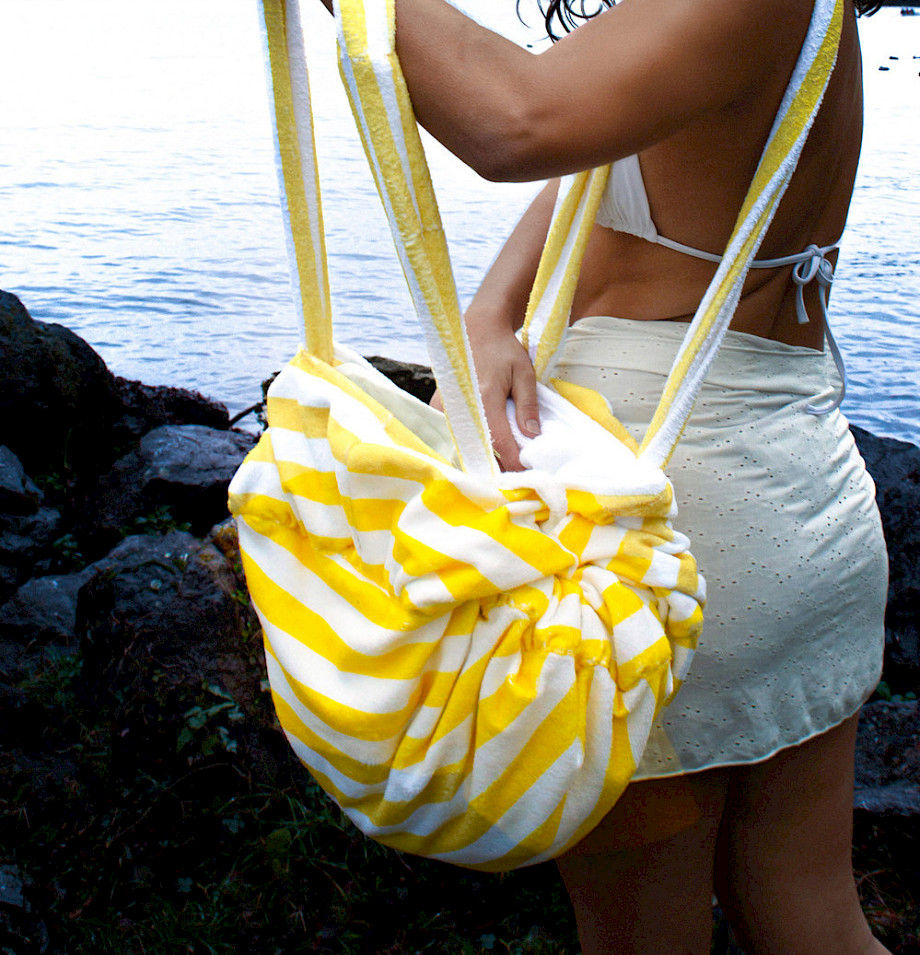
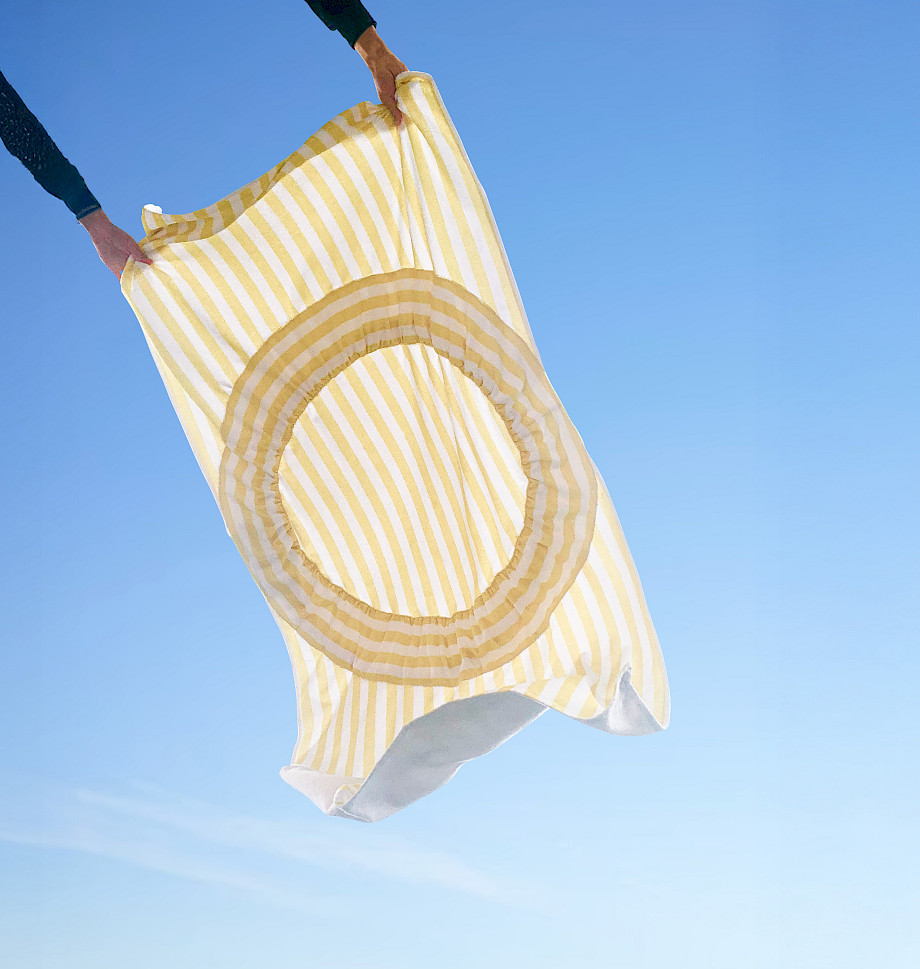
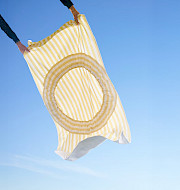
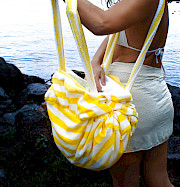
O’sun is a bag that transforms into a beach towel in a single simple step.
[Woolen]
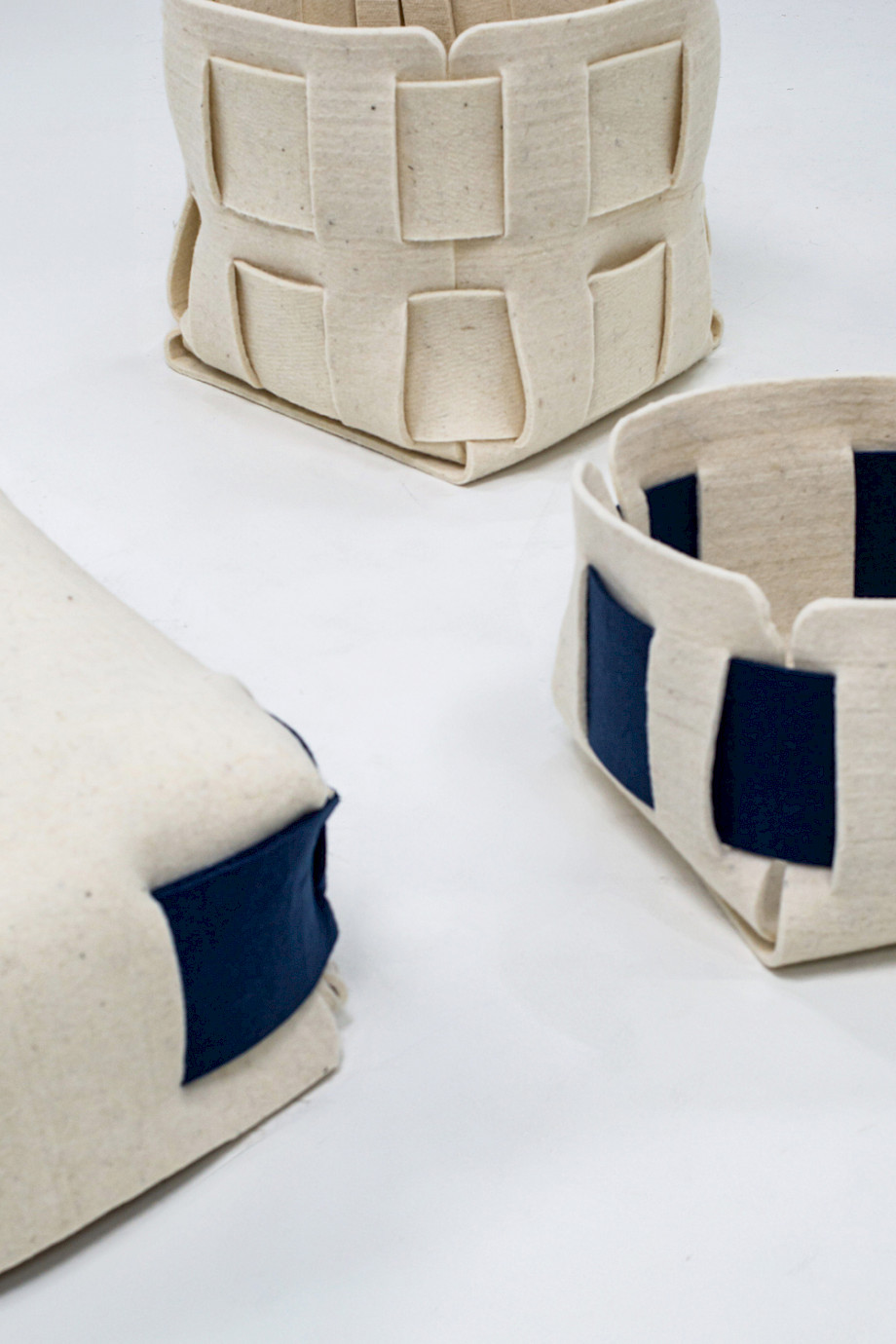
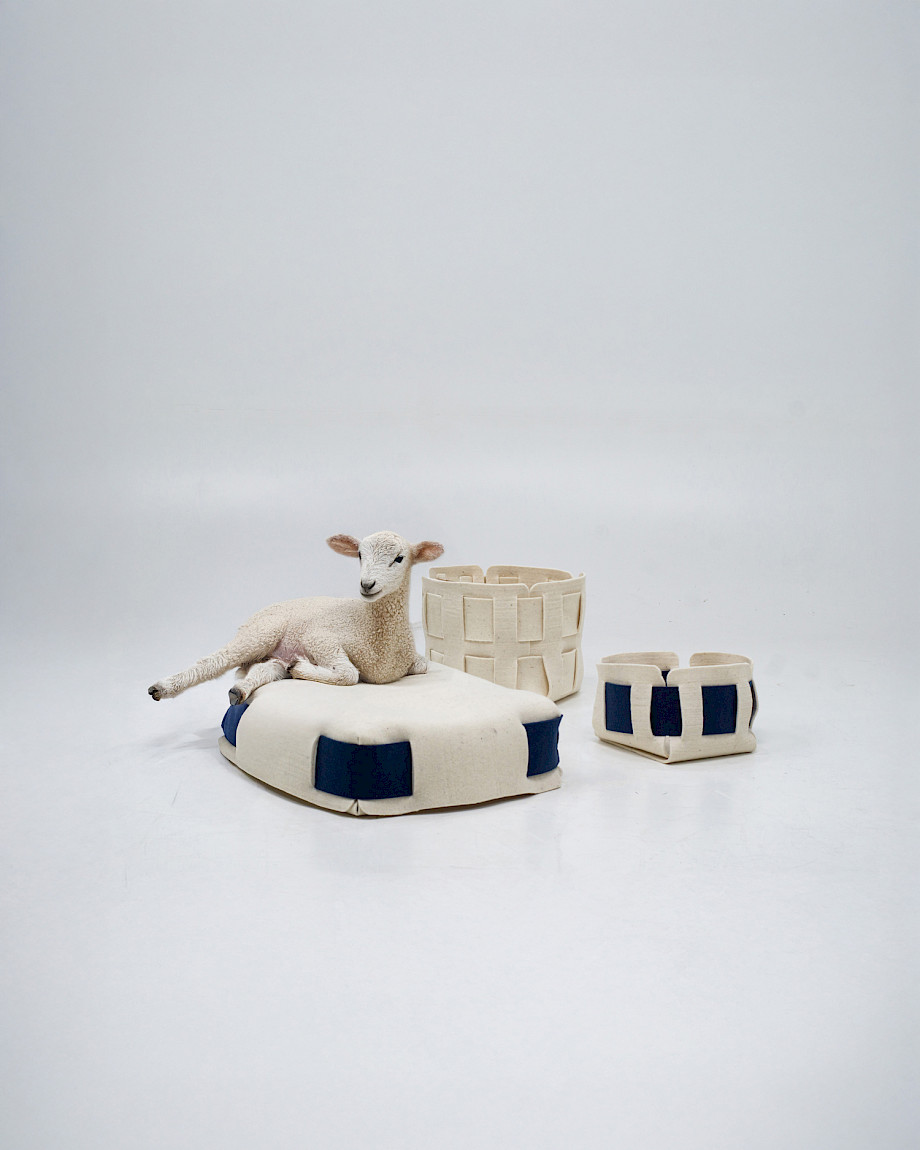
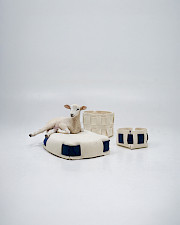
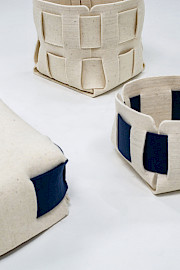
Woollen showcases Swiss wool, a local resource that remains largely underutilised, through a collection comprising a floor cushion and two wool felt baskets.
Designed without any seams, using only cutting and assembly techniques, these single-material items are durable, recyclable and customisable. Delivered flat-packed, they are easy to transport and assemble.
[Martine cosmetics]
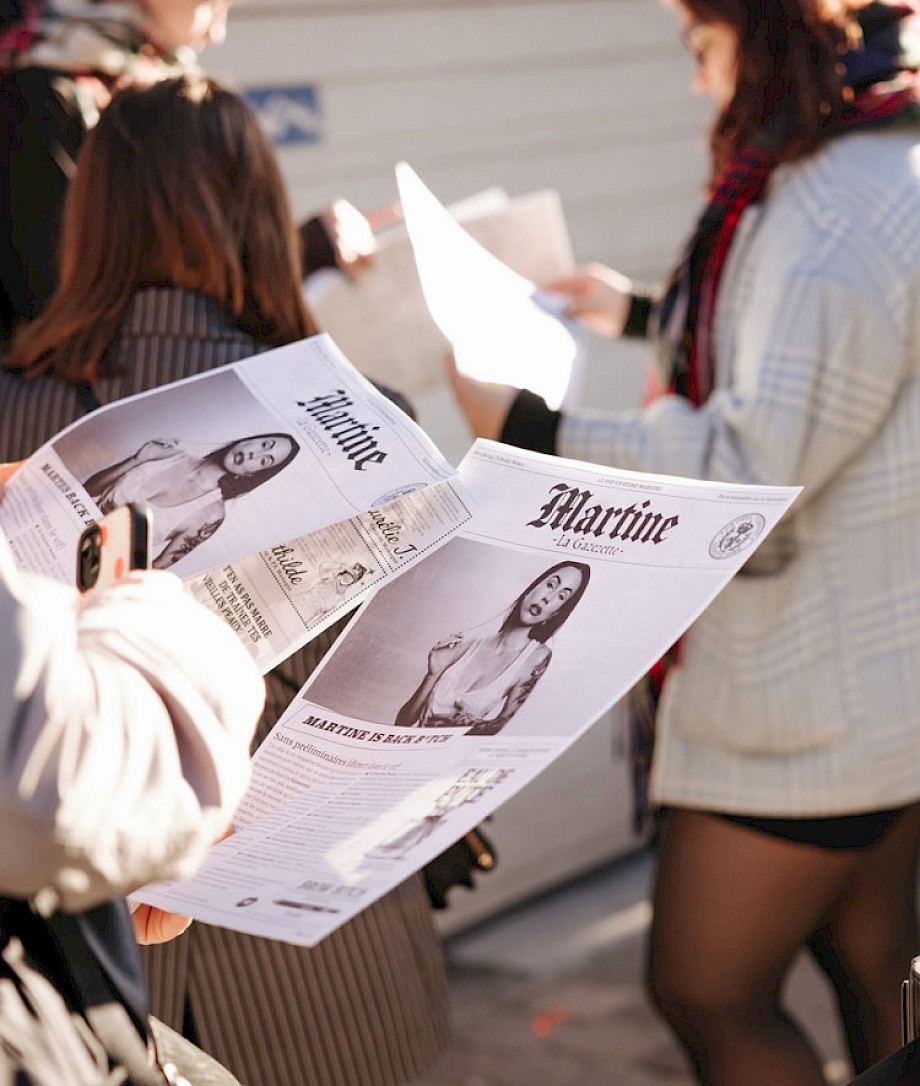
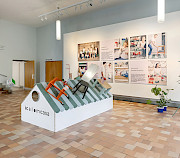
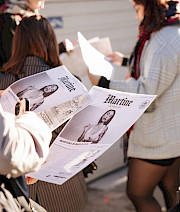
Graphic design and layout of "La Gazette", a newsletter created to mark the first Martine Cosmetics pop-up.
[Exogen]
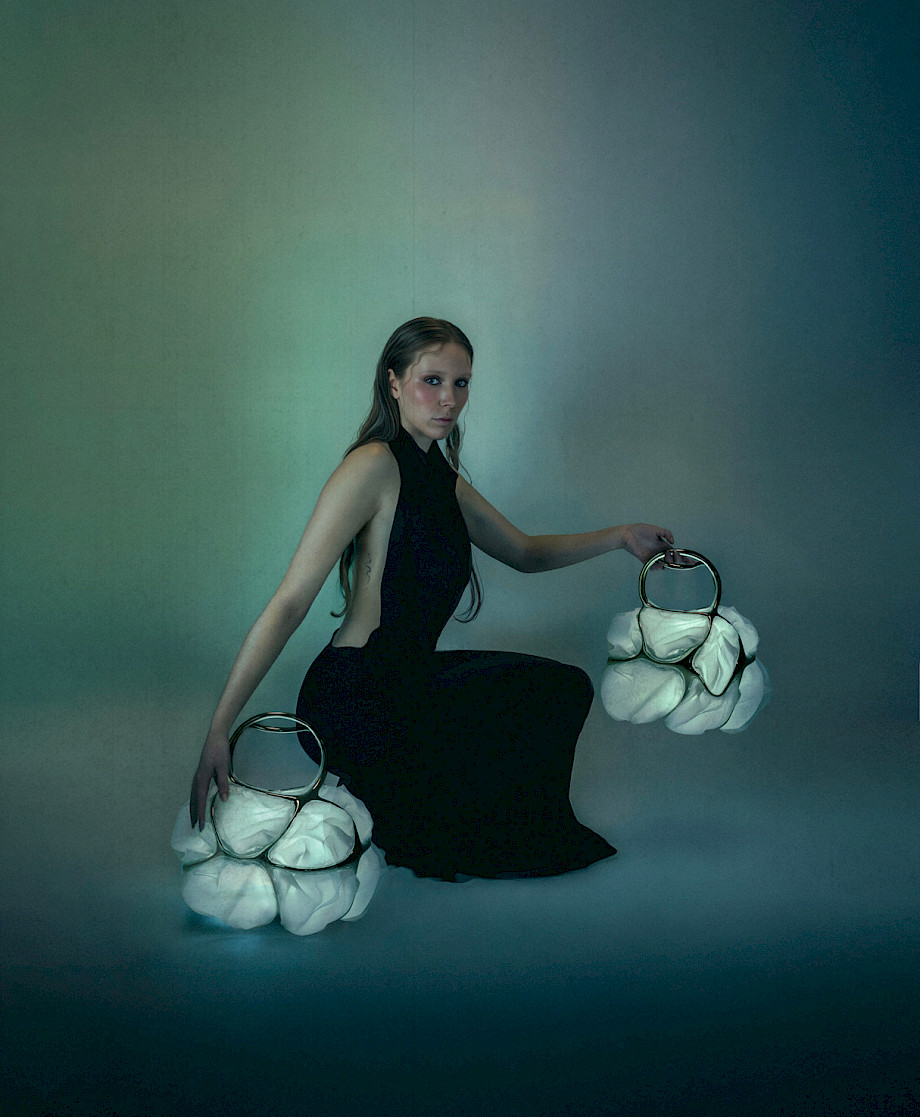
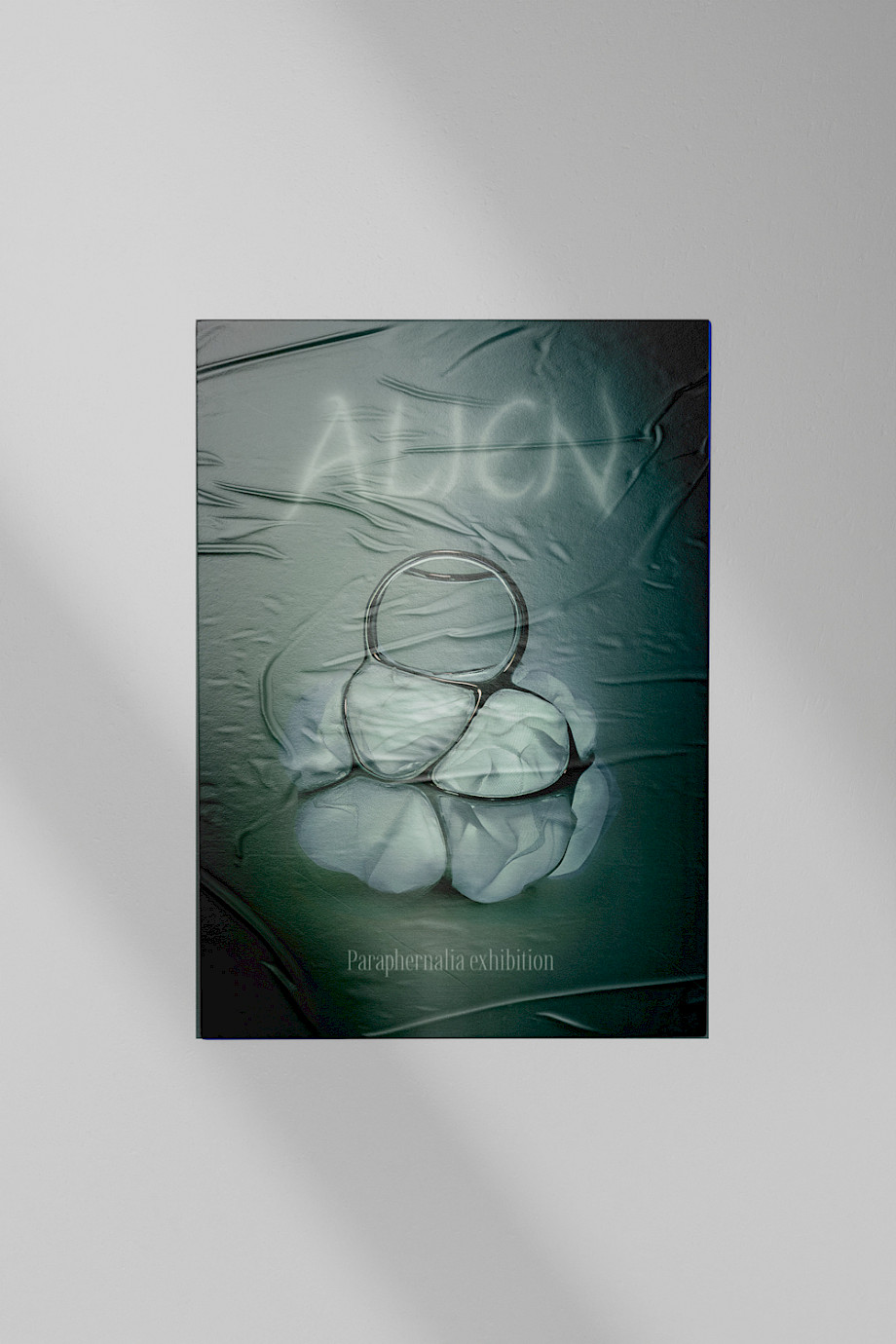
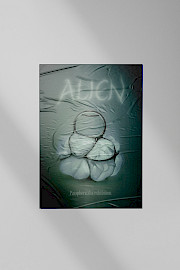
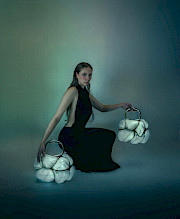
Created as part of the "Paraphernalia" exhibition, which explores the theme of Alien, Exogen is a hybrid bag combining a rigid, 3D-printed structure with a flexible textile membrane.
Straddling the line between accessory and strange object, it is presented in an installation where several examples are suspended and repeated throughout the space, much like specimens under observation.
[Anahi]
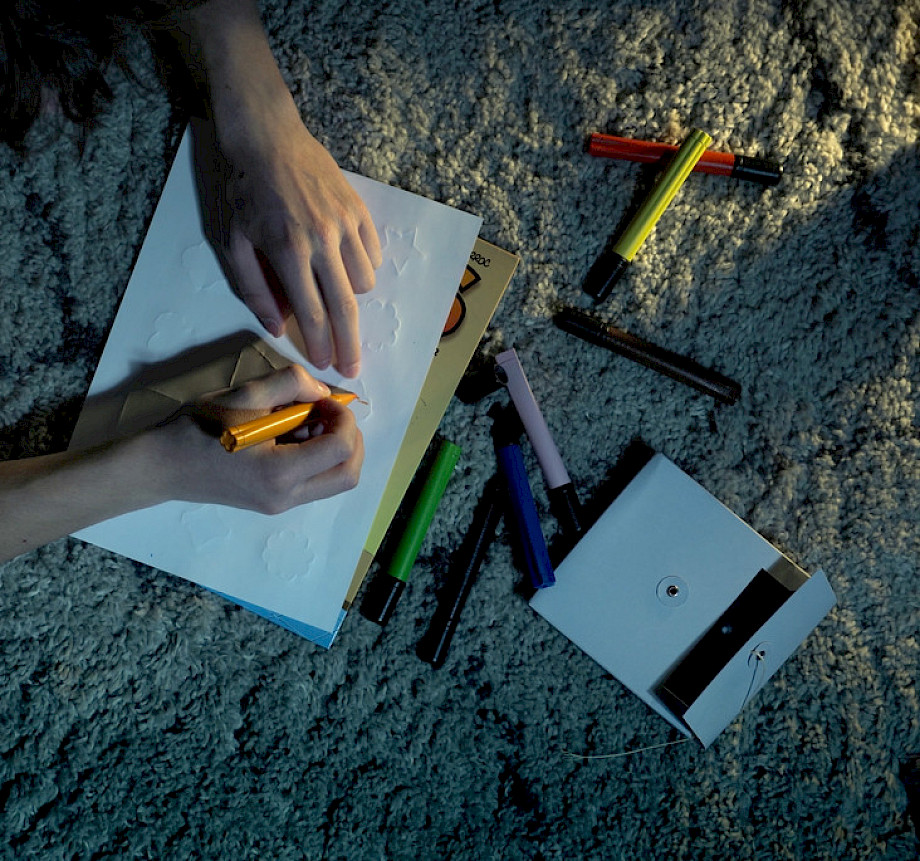
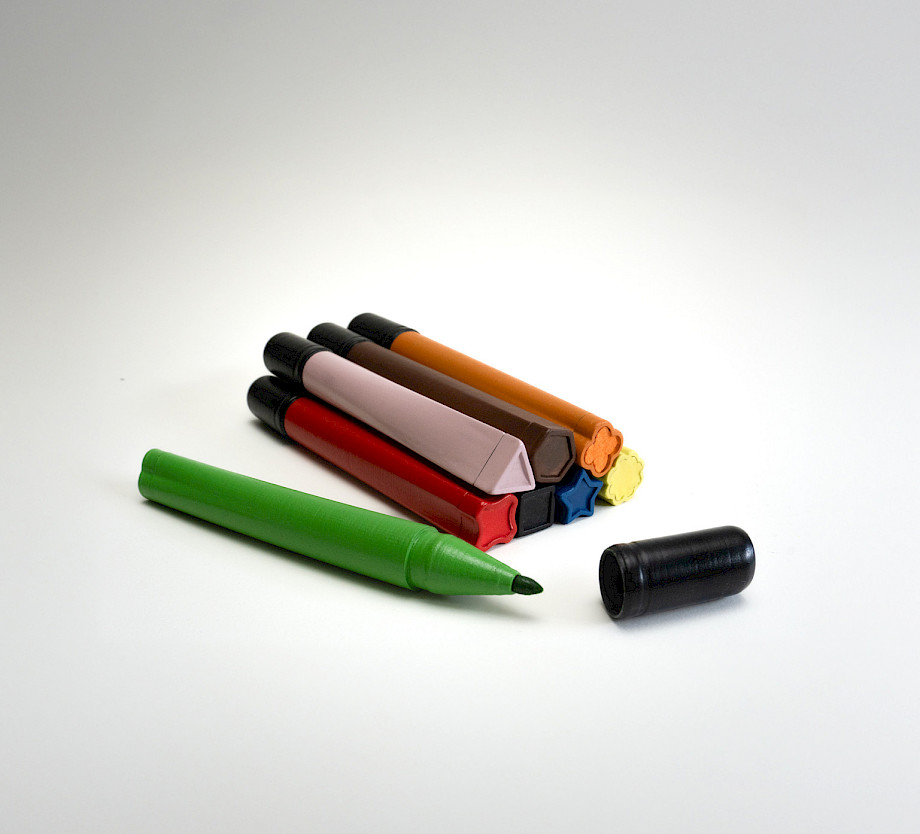
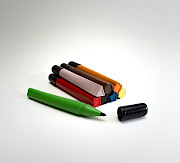
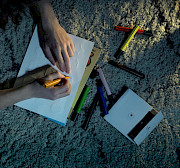
Anahi is a collection of felt-tip pens designed to help blind and visually impaired children discover colours independently.
Each felt-tip pen has a specific shape associated with a colour, making it possible to recognise it by touch. Accompanied by an educational guide, the project offers a sensory and playful approach to learning colours.
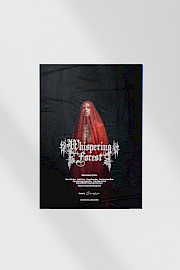
[whispering forest]
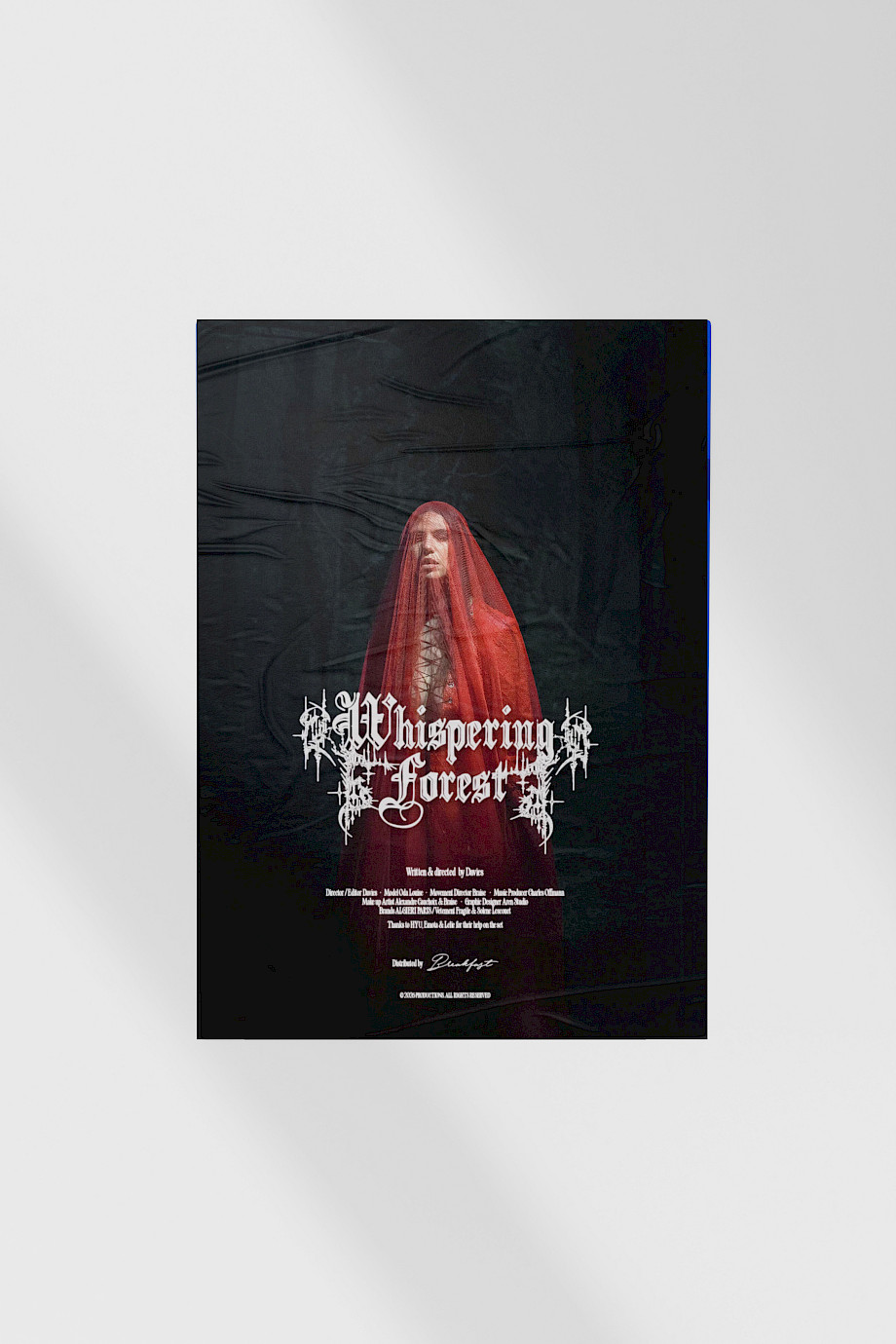
Photograph of the set and the cover of a dark romance short film exploring self-doubt and emotional decline.
[Alguibag]
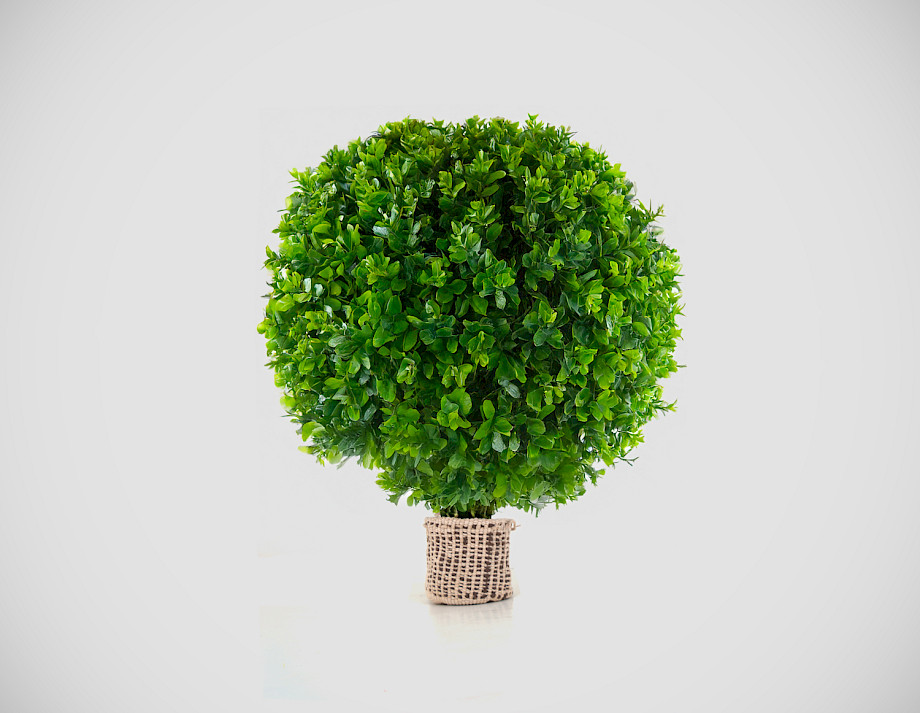
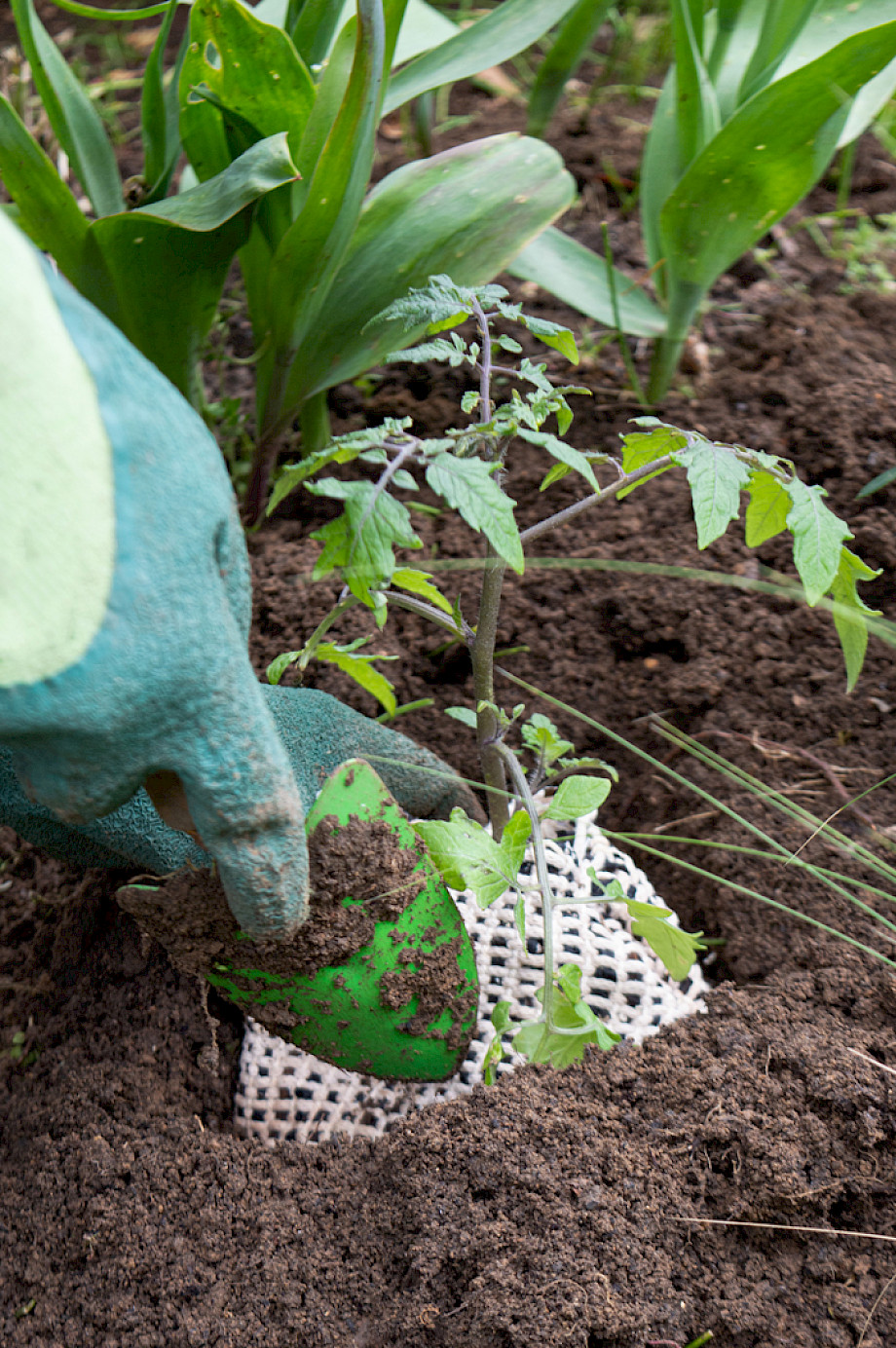
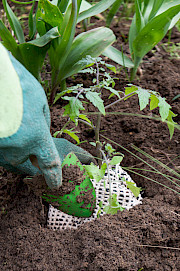
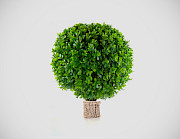
Alguibag is a biodegradable pot designed as an alternative to plastic pots, made from a flexible fabric woven from Breton seaweed and flax.
Planted directly in the soil with the plant, it gradually breaks down, releasing the nutrients naturally present in the seaweed. Its flexible structure allows the roots to develop freely, whilst making the most of local resources.
[Twister's]
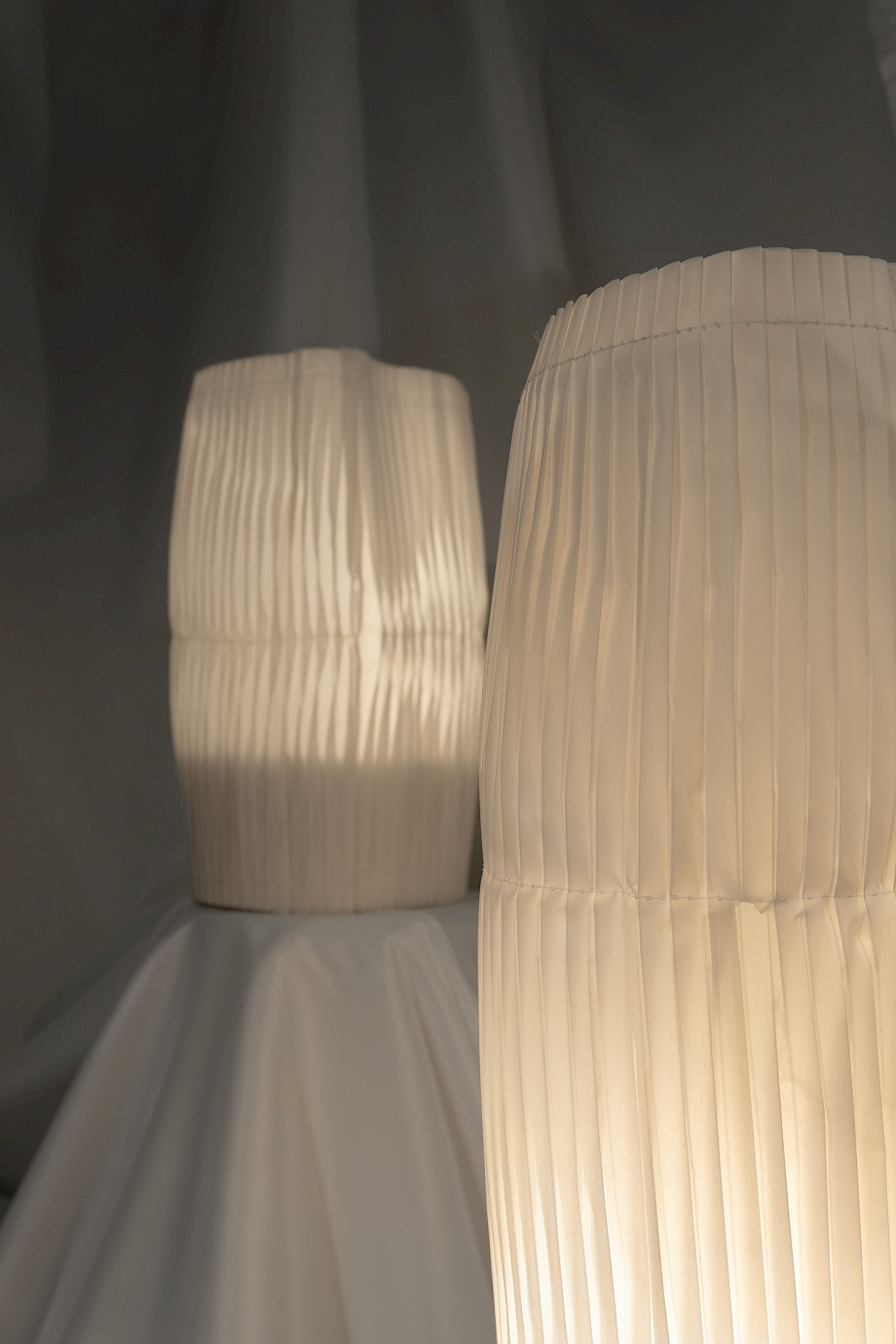
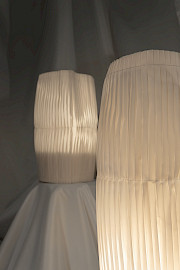
Twister is a collection of three modular light fittings that share the same cardboard structure, available in different sizes.
Each lamp consists of a pleated and stitched tracing paper shade, which uses layers and transparency to diffuse the light. Removable and interchangeable thanks to a magnetic fastening system, the shade allows you to vary the shapes and colours to suit your preferences.
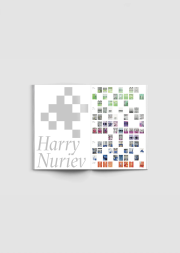
[Harry Nuriev]
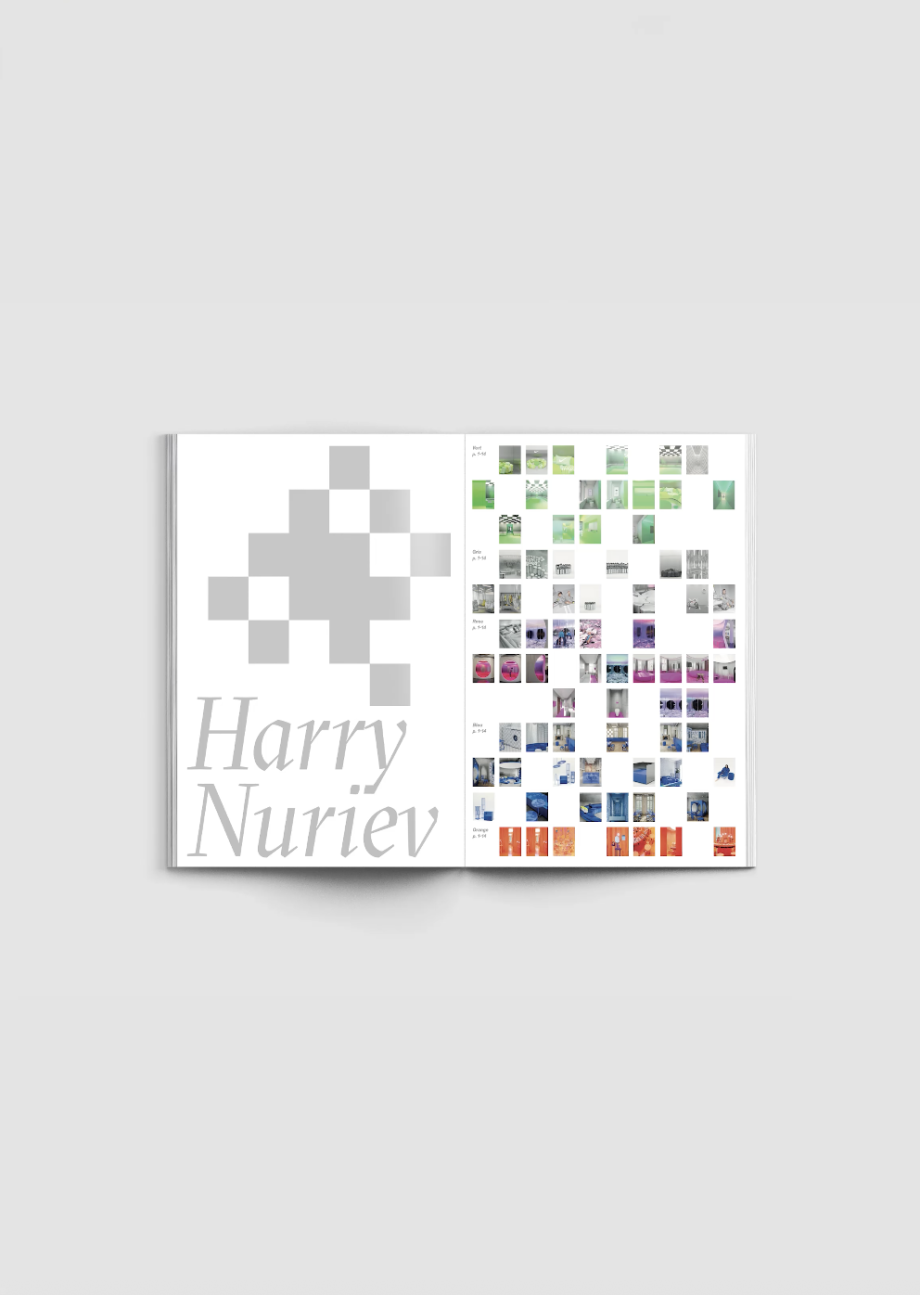
Issue dedicated to the universe of Harry Nuriev, designer and founder of Crosby Studios. The magazine showcases his work in spatial design, digital art and the metaverse, always moving between the real and the virtual.

Lélie Guiochet
I am a freelance art director and product designer based in Paris.
Trained in industrial design at ECAL, I learnt to approach a project holistically: understanding a need, developing an object, then considering how it comes to life and tells its story. Very quickly, my interest shifted. Beyond the object itself, it was everything built around it that drew me in: the image, the staging, the storytelling.
Today, I develop projects at the intersection of product design, art direction and image production. I work on campaigns, visual identities and editorial content, as well as on objects, installations and more scenographic projects. My approach remains rooted in reality: the material, the body, the use. I am interested in how a project exists not only visually, but in what it conveys, in the way it is perceived and experienced. I do not see the image as a starting point, but as the continuation of a project.